
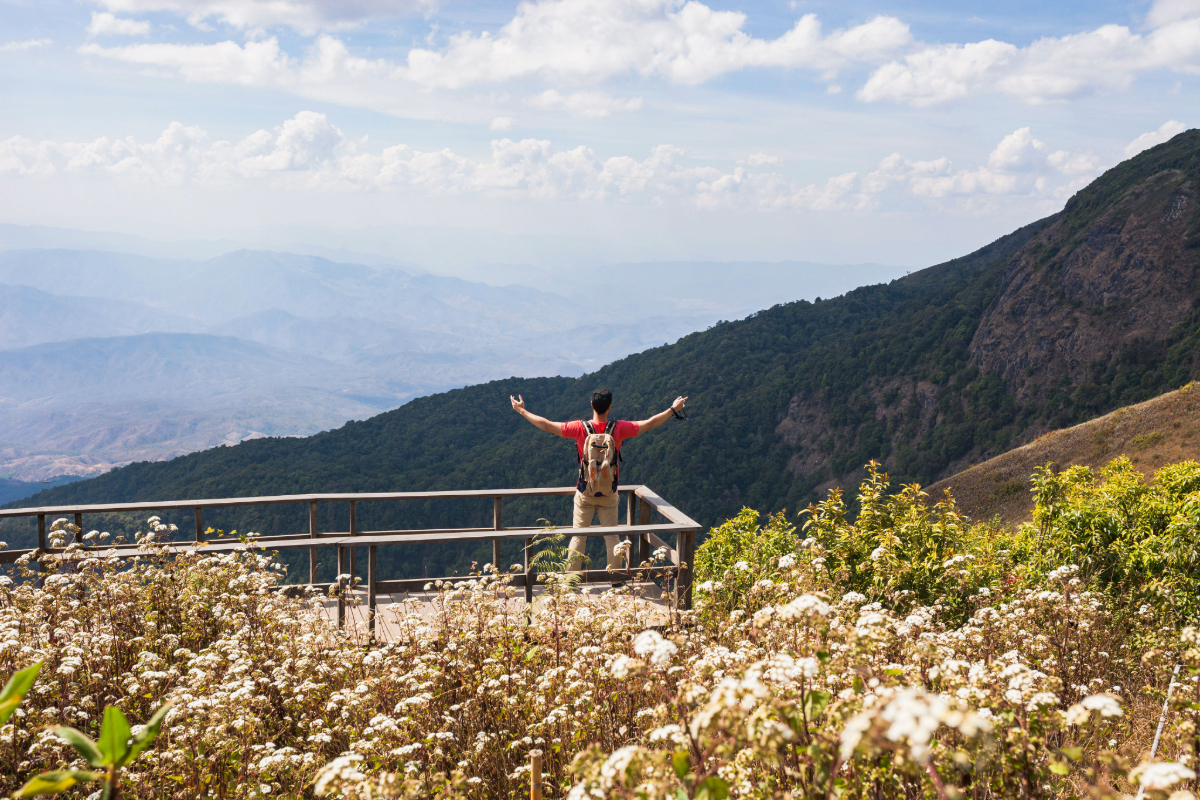
There isn’t one perfect month, if you’re wondering about the best time to visit Bhutan for festivals or the overall ideal time. For most first-time travelers, October is the best single month, while March to May and September to November are the country's strongest overall travel windows. Spring brings rhododendron blooms and major festivals, while autumn offers clearer Himalayan views. However, the perfect time depends on whether you prioritize festivals, trekking, wildlife, fewer crowds or lush landscapes.
When Is the Best Time to Visit Bhutan?
October stands out for its combination of dry weather, clear mountain views, comfortable temperatures, trekking conditions and major cultural events. It is also one of Bhutan's peak travel periods, so popular hotels, flights and festival-related accommodation can fill quickly. November offers similar autumn conditions with fewer visitors, while April is particularly appealing for spring landscapes, trekking and Paro Tshechu.
| Travel goal | Best time |
| Best overall | October |
| Trekking | April–May, October–November |
| Festivals | February–April, September–October |
| Fewer crowds | May, November, winter |
| Mountain views | October–November |
| Black-necked cranes | November–February |
| Green landscapes | June–August |
Bhutan Weather by Season :
Spring: March to May
Spring brings warmer days, flowering rhododendrons and more favorable conditions for outdoor activities. March and April are particularly appealing for festivals, while late April and May are strong choices for trekking. Skies may be less clear than in autumn, but the landscapes are greener and the hills are covered in seasonal blooms.
Summer/Monsoon: June to August
Rainfall increases during summer, with July typically among the wettest months. High-altitude trekking becomes less dependable because of rain, muddy trails and difficult crossings. However, the valleys become exceptionally green and visitor numbers are lower, making this period suitable for travelers prioritizing scenery and quieter cultural experiences.
Autumn: September to November
Autumn is one of Bhutan's most popular travel seasons. September marks the transition out of the wetter period, while October and November generally bring clearer skies, pleasant temperatures and excellent trekking conditions. Major Tshechu festivals also make autumn particularly attractive for cultural travelers.
Winter: December to February
Winter brings cold nights but generally dry conditions in many accessible valleys. Visitor numbers are lower, making it a good option for peaceful sightseeing. November through February is also a prime period for seeing black-necked cranes in Phobjikha Valley.
Bhutan Weather Month by Month
| Month | Weather & conditions | Crowds | Best for |
| January | Cold and dry | Low | Quiet sightseeing |
| February | Cold, milder in lower valleys | Low | Festivals |
| March | Spring begins | Rising | Culture & hiking |
| April | Mild and floral | High | Festivals & trekking |
| May | Warm and greener | Medium | Trekking & value |
| June | Rain begins | Low | Cultural trips |
| July | Wet and lush | Low | Green landscapes |
| August | Monsoon continues | Low | Photography |
| September | Rain becomes less frequent | Rising | Festivals |
| October | Clear and dry | Peak period | Best overall |
| November | Clear and cool | Fewer | Cranes & views |
| December | Cold and dry | Low | Winter travel |
Bhutan's climate varies considerably, especially at high-altitude areas. So, conditions in lower Punakha can differ substantially from those in higher-altitude Paro, Thimphu or trekking regions.
Best Time to Visit Bhutan By Destination
The best time to visit Bhutan also depends on the destinations you plan to explore:
- Paro: Visit from March to May or September to November for pleasant weather, scenic views and cultural experiences. March or April is ideal for the Paro Tshechu, depending on the dates.
- Thimphu: Spring and autumn are suitable for exploring monasteries, markets and nearby viewpoints. September or October is particularly appealing for travelers attending the Thimphu Tshechu.
- Punakha: Its lower altitude makes the place warmer than Paro and Thimphu. Consider February to May for comfortable sightseeing and the Punakha Tshechu, usually held in February or March.
- Phobjikha Valley: November to February is the best period for spotting black-necked cranes, while autumn provides clearer views and comfortable conditions.
- Trekking regions: Choose April–May or October–November for many popular treks, but check the specific route’s altitude, snowfall and accessibility before booking.
Bhutan Tshechu Festival Calendar
Planning around a Tshechu can transform a Bhutan trip into a much more immersive cultural experience. These religious festivals feature traditional masked dances, music and community celebrations.
| Festival | Typical period | Location |
| Punakha Tshechu | February–March | Punakha |
| Paro Tshechu | March–April | Paro |
| Thimphu Tshechu | September–October | Thimphu |
| Gangtey Tshechu | October | Phobjikha |
| Jakar Tshechu | October | Bumthang |
| Jambay Lhakhang Drup | October–November | Bumthang |
| Druk Wangyel Tshechu | December | Dochula |
Tshechu dates follow the Bhutanese lunar calendar and can change each year. Confirm the dates for your travel year before considering your Bhutan holiday.
Best Time to Visit Bhutan for Trekking, Festivals and Wildlife
For trekking
Choose April–May or October–November. Spring offers flowers and pleasant conditions, while autumn generally provides clearer Himalayan views. June to mid-September is less suitable for high-altitude trekking because of monsoon conditions.
For festivals
March–April and September–October are excellent choices, particularly if Paro or Thimphu Tshechu is on your itinerary. February can also be rewarding for Punakha's festivals. But, book flights and accommodation well ahead, as demand rises sharply around major festivals and peak-season dates.
For wildlife
Visit November to February to see black-necked cranes in Phobjikha Valley, with November offering a particularly comfortable balance of wildlife viewing and weather.
For fewer crowds
Consider May, November or winter. November is particularly appealing if you want autumn's dry conditions without October's peak visitor numbers.
Frequently Asked Questions
What is the worst time to visit Bhutan?
June to August can be the least favorable for trekking and mountain views because of frequent rainfall, although it suits travelers seeking lush scenery and fewer crowds.
What is the best time to visit Bhutan with family?
October to November is ideal for family trips, offering pleasant weather, clearer skies and comfortable conditions for sightseeing.
What is the best time to visit Bhutan from India?
October to November and March to May are excellent times to visit Bhutan from India, offering favorable weather and popular festivals.
When is snowfall in Bhutan?
Snowfall is most common in Bhutan's higher-altitude areas from December to February, while lower valleys may receive little or no snow.
Which Month Is Best for Bhutan?
For most first-time travelers, October is the best time to visit Bhutan. It offers clear weather, strong trekking conditions, spectacular mountain scenery and major cultural events. However, it is also the busiest month.
Prefer spring? April is the best time to visit Bhutan for festivals, flowers, and trekking. Want a quieter autumn experience? November is an excellent alternative. For lush landscapes and fewer visitors, consider the monsoon season, while winter suits travelers seeking crisp conditions and a quieter atmosphere.
Ultimately, choose your travel dates according to the experiences you value most. Once your dates are confirmed, compare bhutan holiday packages that match your preferred festivals, activities and travel needs rather than selecting an itinerary based on season alone.
Share the Journey
Enjoyed this story? Pass it on to others.



