
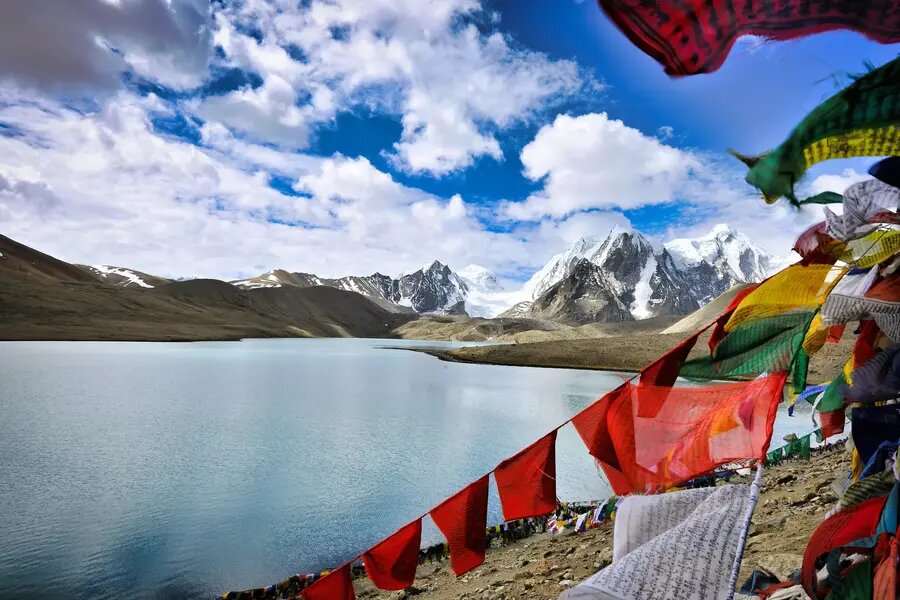
Just before 7 sisters of India, sits the valley of rice, Sikkim, that most travellers still haven’t figured out. Because Sikkim doesn’t call for attention. Nothing like the Taj Mahal, any beaches, or five-star chaos. Just huge monasteries covered in fog, prayer flags flying in mountain wind, and Kanchenjunga watching over all of it like it’s been really waiting for you. So, if you’re searching for a quick and easy-to-get Sikkim travel guide in 2026, here’s all you need before booking your Sikkim Tour Packages.
Best Time To Visit Sikkim – When Should You Really Go
One question people usually ask is about the best time to visit Sikkim. Because the right timing can make or even break your Sikkim travel. Even more than almost anywhere else in India.
- March to May is when skies are clear and rhododendrons in full bloom. It’s considered the ideal period if flowers and greenery are your thing.
- From October through mid-December, mountains turn into their best, showing off, with crisp air. This also promises to give the sharpest Kanchenjunga views ever.
- June to September is often skipped by visitors, being the monsoon months, as challenges like landslides and closed roads can come up.
- Late December to February, when Winter reaches its peak, works fine for Gangtok and Pelling, but high-altitude passes can become unclear under snow.
How To Reach Sikkim
Going to Sikkim includes several routes, thankfully. But there’s no getting around West Bengal first. Bagdora Airport, near Siliguri, receives the most of the flights, connecting easily to major Indian cities. It’s then a 4-5 hours drive to Gangtok from there.
If you’d rather take a train partway, New Jalpaiguri is the closest railway station. Pakyond Airport sits closer to Gangtok itself, but remember weather cancellations are common, making most seasoned travellers book through Bagdogra as their backup.
Top Places To Visit in Sikkim That You Just Can’t Miss
Unlike others, Sikkim is a place full of wonder and beauty at every turn. Still, Gangtok is the starting point for most. You can further include MG Marg for evenings, Rumtek Monastery to explore the country’s history, and Tashi View Point for your first proper mountain experience. Nathula Pass, based near the China border at over 14000 feet, needs advanced Sikkim travel permits, so you better arrange that early through a local agent.
Yumthang Valley, close to Lachung, turns into a new kind of rhododendron wonderland of its own during February and June. For delivering the best Kanchenjunga views, you can count Pelling, plus the Rabdentse Ruins for anyone wondering to know about Sikkim’s monarchy days. If the Goecha La trek is on your radar, Yuksom, the former capital, is just your go-to.
And Lachen and Lachung, remote as they can be, are the only way to visit Gurudongmar Lake and Yumthang. You’ll have to budget extra travel days to get there though.
Travel Permits For Sikkim You’ll Need
Navigating permits trips up more travellers than almost anything else. Here is the straightforward breakdown:
For Indian Nationals: You do not need any permit to visit Gangtok, Pelling, Namchi, or Ravangla. You only need a Protected Area Permit (PAP) for border-sensitive zones like Nathula Pass, Tsomgo Lake, Lachen, Lachung, and Gurudongmar Lake. Note: Carry a physical Voter ID or Passport + photos. Aadhaar and PAN cards are not accepted for PAPs.
For Foreign Nationals: You must obtain a Restricted Area Permit (RAP / Inner Line Permit) just to step foot anywhere in Sikkim (issued free for 30 days). To visit restricted zones like Yumthang Valley or Tsomgo Lake, you need an additional Protected Area Permit (PAP) booked in a group of 2+ via a registered travel agent. Please note: Foreign nationals are not permitted to visit Nathula Pass or Gurudongmar Lake.
How To Plan Your Trip: A Glance At 6-Day Sikkim Itinerary
Here’s how an ideal Sikkim trip for 6 days may look like.
| Days | Places to Visit in Sikkim |
| Day 1 | Start with Bagdogra, then go to Gangtok. |
| Day 2 | Explore Gangtok and near-by areas |
| Day 3 | Visit Lachen for North Sikkim |
| Day 4 | Gurudongmar Lake at sunrise, then head to Lachung |
| Day 5 | Yumthang Valley, back to Gangtok |
| Day 6 | Departure |
You need to add two extra days, if Pelling or Yuksom are also calling your name.
Sikkim Trip Budget Explained
Very few sheds enough light on the real numbers, when it comes to the Sikkim trip. But don’t worry. Here’s a rough breakdown for you.
- As a budget traveler, you can manage Gangtok and Pelling on INR 1500 – 2500 a day, helping cover local food, homestays, and shared jeeps for travel.
- Mid-range travelers, preferring private cabs and better hotels, can expect INR 3500 – 6000 daily.
- North Sikkim may add cost no matter your style, where a 6-day trip may push to somewhere around INR 18000 and 35000 per person.
Frequently Asked Questions
Name top 7 tourist places in Sikkim?
The top 7 tourist places in Sikkim you can consider are:
- Gangtok
- Tsomgo Lake
- Nathula Pass
- Yumthang Valley
- Gurudongmar Lake
- Pelling
- Ravangla
When’s the best time to visit Sikkim to see snow?
During January to February is the best time to visit Sikkim to see snow.
What should an ideal Sikkim travel guide itinerary include?
A 7-day east and north Sikkim tour should be included for a first-time visitor.
Conclusion
Sikkim isn’t a place you can just rush. You need to choose the right timing, seek permits, and check places that offer most. Additionally, you need to be prepared for mountain weather. Once you’ve got all ready, you can count Sikkim for one of the most rewarding, least crowded trips India has to offer.
Share the Journey
Enjoyed this story? Pass it on to others.



